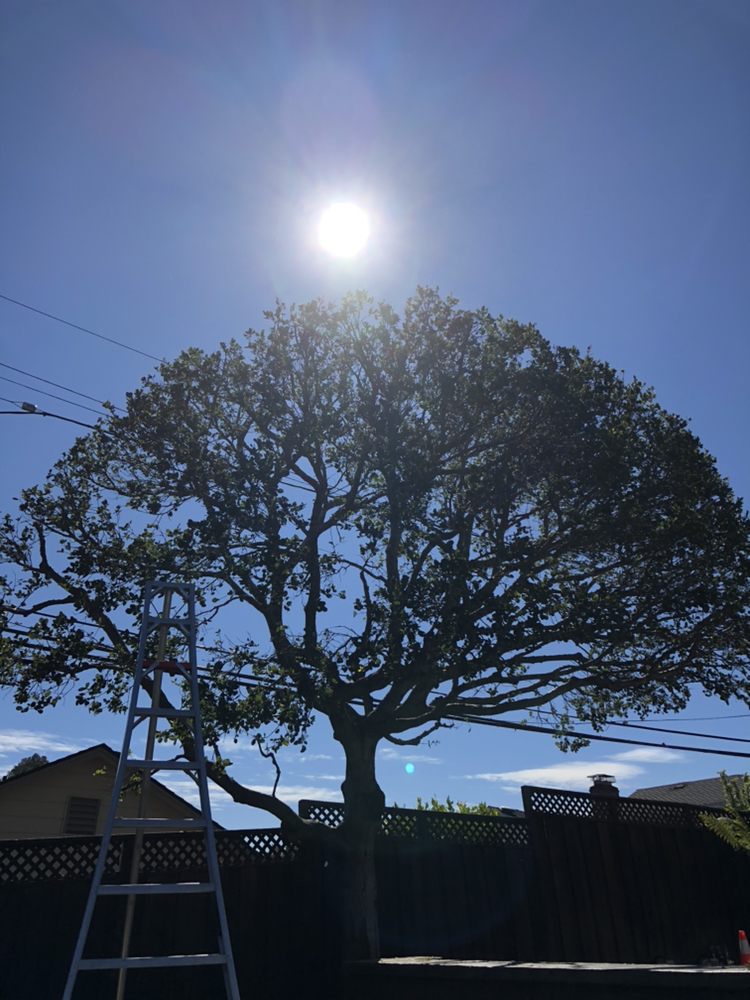
Understanding Tree Pruning and Its Benefits
Tree pruning is a vital practice in maintaining the health, aesthetics, and safety of trees. This essential process involves the selective removal of specific branches or parts of a tree, ensuring that it grows strong and stays healthy. In this blog post, we will explore the various types of tree pruning, its numerous benefits, and tips for effective pruning.
What is Tree Pruning?
Tree pruning is the process of trimming and shaping trees to promote their health and appearance. This involves removing dead or diseased branches, improving air circulation, and encouraging new growth. Pruning can be performed at different times of the year, depending on the tree species and desired outcomes.
Types of Tree Pruning
- Crown Thinning: Removes select branches to improve light penetration and air circulation.
- Crown Raising: Involves removing lower branches to provide clearance for structures or vehicles.
- Crown Reduction: Reduces the size of the tree's canopy while maintaining its shape.
- Deadwood Removal: Eliminates dead or dying branches to prevent decay and insect infestations.
- Formative Pruning: Shapes young trees to establish a strong structure.
Benefits of Tree Pruning
Pruning trees offers several significant benefits that contribute to their overall health and attractiveness. Below are some key advantages of tree pruning:
- Improved Tree Health: Regular pruning removes diseased or damaged branches, preventing the spread of disease.
- Enhanced Aesthetics: Pruning helps maintain a tree's natural shape, making it more visually appealing.
- Increased Safety: Removing hazardous branches reduces the risk of injury or property damage during storms or high winds.
- Encouraged Growth: Pruning stimulates new growth, resulting in healthier and more vigorous trees.
- Better Fruit Production: For fruit-bearing trees, pruning can lead to larger and more abundant yields.
When to Prune Trees
The timing of tree pruning is critical for achieving optimal results. Here are some guidelines:
- Late Winter to Early Spring: Ideal for most deciduous trees, as they are still dormant.
- Summer: Suitable for removing dead or diseased branches and shaping trees.
- Fall: Generally not recommended, as it can encourage disease and pests.
Tips for Effective Tree Pruning
To ensure effective tree pruning, consider the following tips:
- Use the Right Tools: Invest in sharp, clean pruning shears, loppers, and saws to make clean cuts.
- Understand Tree Anatomy: Familiarize yourself with the tree's structure to make informed pruning decisions.
- Avoid Over-Pruning: Remove no more than 25% of a tree's canopy in a single growing season.
- Make Clean Cuts: Avoid tearing or damaging the bark to promote faster healing.
- Seek Professional Help: If unsure about pruning, hire a certified arborist for expert guidance.
Conclusion
Tree pruning is a crucial aspect of tree care that promotes health, safety, and beauty. By understanding the types of pruning, their benefits, and effective techniques, you can ensure your trees thrive for years to come. Whether you choose to prune your trees yourself or hire professionals, regular maintenance will keep your landscape beautiful and healthy.